

You know something needs to change, so you search for rehab centers near you. Suddenly, you have dozens of options. Some offer residential care. Others offer outpatient treatment. Nearly every website promises compassionate, personalized support.
How do you know which one is actually right for you or your loved one?
Learning how to choose an addiction treatment center is less about finding the “best” facility and more about finding care that fits your needs, health, responsibilities, and goals.
1. What Should You Look for in an Addiction Treatment Center?
A good treatment center should first understand what is happening in your life before recommending a program.
Substance use does not look the same for everyone. Someone drinking heavily every evening while maintaining a career may need different support than someone at risk for serious withdrawal or someone struggling with fentanyl use.
Look for a program that evaluates your substance use, mental health, home environment, medical needs, and daily responsibilities. Treatment should be individualized rather than built around the assumption that everyone needs the same level of care.
2. Do You Need Inpatient or Outpatient Treatment?
This is one of the most important questions to ask.
Inpatient treatment involves living at a treatment facility for a period of time. Outpatient treatment allows you to live at home while attending scheduled treatment sessions. Our guide to outpatient vs. inpatient treatment explains these differences in more detail.
An Intensive Outpatient Program (IOP) provides structured addiction treatment without an overnight stay. For many working adults and parents, that means receiving evidence-based care while continuing to work, care for children, and handle everyday responsibilities.
3. Does the Center Offer the Services You Need?
An addiction center should offer more than a place to talk about substance use.
One person may need a period of medical detox before outpatient treatment is appropriate. Someone else may be ready to begin an IOP directly, while another person may be better served by working with a recovery coach or another type of support. Some people may also benefit from Medication-Assisted Treatment, which combines approved medications with behavioral treatment when clinically appropriate.
One option is not necessarily better than another,they serve different needs at different points.
The important question is not whether a center offers the longest list of services. It is whether those services make sense for you.
That is why knowing where to start can be difficult, and you should not have to figure it out alone. If you are unsure what kind of help you need, you can contact ARS and talk through what is happening. If ARS is not the right service for your situation, we can still help point you in the right direction.
4. Can Treatment Fit Around Your Job and Family?
For many people, this question determines whether they seek help at all.
You may have meetings Monday morning, children who need rides to school, or a business that cannot simply close for a month. Having responsibilities does not mean your substance use is not serious.
An outpatient treatment program can provide structure while allowing appropriate patients to remain at home. Telehealth can add flexibility when getting to the office is difficult.
ARS serves adults across the New Hampshire Seacoast, Southern Maine, and Northern Massachusetts with both in-person and telehealth options. For alcohol specifically, you can also learn more about what outpatient alcohol treatment can look like.
5. What About Cost and Insurance?
Before enrolling, ask what your insurance may cover and what costs you could be responsible for.
Cost matters but affordable outpatient rehab should not mean choosing care based on price alone. The right level of treatment, clinical fit, and ability to participate consistently matter too.
ARS works with most major insurance plans and also offers self-pay options. You can review insurance information or speak with the admissions team about your situation.
6. What Happens After Addiction Treatment Ends?
Finishing a treatment program does not mean you suddenly stop needing support.
Recovery continues in everyday life, where work stress, relationships, celebrations, difficult days, and old triggers do not disappear just because formal treatment has ended. That is why it is worth asking an addiction treatment center what kind of aftercare it provides.
ARS offers an alumni aftercare program that gives people a way to stay connected to a recovery community after completing treatment. That continued connection can provide support from people who understand the challenges of maintaining recovery because they have been working through many of the same things themselves.
When comparing programs, do not only ask what happens while you are in treatment. Ask what support and community are available afterward too.
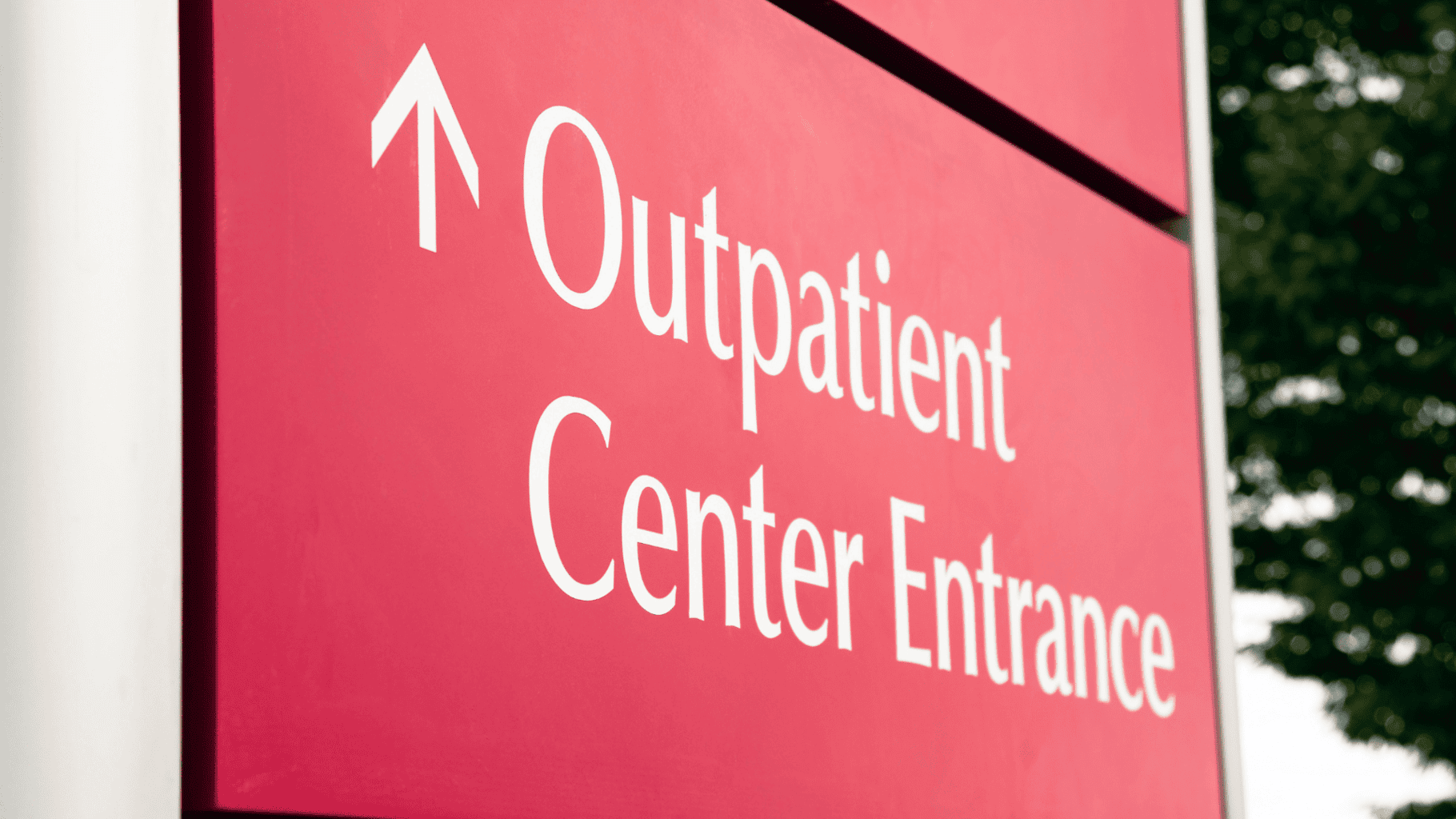
Outpatient Addiction Treatment in New Hampshire
Choosing an addiction treatment center does not require committing to a one-size-fits-all version of recovery. It starts with understanding what level of support makes sense for you right now.
If you’re wondering whether treatment could fit into your life, ARS is happy to answer your questions without pressure or judgment. Admissions starts with a quick phone interview, followed by an intake typically scheduled within 48–72 hours, with no waiting list.
If you are still unsure whether your alcohol use is becoming a problem, learning the signs of alcoholism or understanding what is considered heavy drinking can provide useful context.
Family members and friends may have questions of their own, including how much to help, what to say, and how to encourage treatment without trying to control the outcome. Our guide on how to help a friend with an alcohol use problem offers practical guidance for having those conversations.
You can contact ARS or call or text (978) 228-5853. You can also email admissions@arsnh.com.

FAQ
How do I know which addiction treatment center is right for me?
Start with an assessment. A treatment provider should learn about your substance use, health, mental health, responsibilities, and goals before recommending care.
Is outpatient treatment as effective as inpatient rehab?
Neither option is automatically better. The appropriate level of care depends on the person, including medical risk, substance use, stability at home, and support needs.
Can I keep working while getting addiction treatment?
Often, yes. IOP does not require an overnight stay, which can allow people to continue working and managing family responsibilities while receiving structured treatment.
Does insurance cover addiction treatment?
Usually yes, but coverage varies by plan and type of care. ARS accepts most major insurance plans, and the admissions team can help you understand your options.